
Introduction
Climbing mountains demands footwear that can handle rough terrain, changing weather conditions, steep ascents, and long hours on your feet. In my experience, the best shoes for climbing mountains combine reliable traction, supportive cushioning, durable construction, and enough protection to keep your feet comfortable and secure throughout the journey. Whether you are tackling rocky trails, muddy paths, or uneven slopes, the right footwear can improve stability, reduce fatigue, and boost confidence with every step. In this guide, I will review some of the best shoes for climbing mountains, highlighting their key features, strengths, and limitations. I will also share a helpful buying guide to help you choose the right pair for your needs, along with answers to frequently asked questions that many hikers and mountain climbers have before making a purchase.
Best shoes for Climbing Mountains
The Columbia Newton Ridge Plus Waterproof Amped Hiking Boot is a dependable hiking boot designed for women who need comfort, durability, and reliable traction on outdoor adventures. Inspired by traditional mountaineering footwear, it combines a classic appearance with modern technologies that make it suitable for day hikes, weekend treks, and everyday outdoor use.
One of the strongest aspects of this boot is its waterproof construction. The seam-sealed design works together with a combination of leather and suede materials to help keep feet dry during wet trail conditions. Whether you encounter light rain, muddy paths, or damp grass, the boot offers good protection without sacrificing comfort.
Comfort is another area where this hiking boot performs well. Columbia’s TECHLITE lightweight midsole provides cushioning that helps reduce foot fatigue during long walks. The mid-cut design offers additional ankle support, making it a practical choice for uneven terrain and moderate hiking trails.
Traction is enhanced by the Omni-GRIP non-marking rubber outsole. The sole delivers solid grip across various surfaces, including dirt paths, rocky trails, and light gravel. This versatility makes the boot suitable for three-season hiking and general outdoor activities.
Durability has also been carefully considered. Reinforced toe and heel sections help protect the areas that typically experience the most wear. The extended toe overwrap adds another layer of protection, helping the boot withstand regular use over time.
Pros
- Waterproof seam-sealed construction helps keep feet dry
- Comfortable TECHLITE midsole provides excellent cushioning
- Durable leather and suede upper
- Good ankle support from the mid-cut design
- Reliable traction on different types of terrain
- Reinforced toe and heel improve long-term durability
- Classic hiking boot appearance
Cons
- May require a short break-in period for some users
2. SHULOOK Men’s Waterproof Hiking Boots
When searching for the best shoes for climbing mountains, the SHULOOK Men’s Waterproof Hiking Boots offer a practical combination of comfort, protection, and durability. Designed for outdoor enthusiasts, these boots are built to handle challenging terrain while remaining comfortable enough for extended wear.
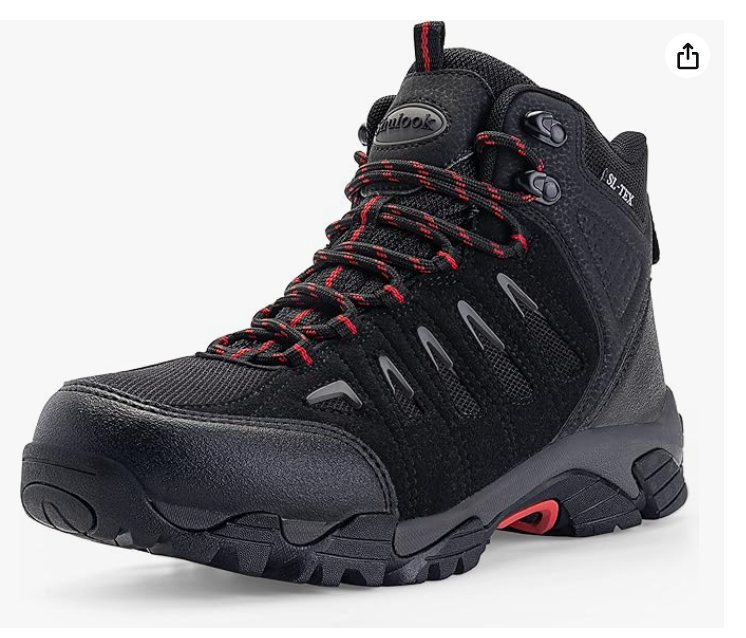
The boots are constructed from premium synthetic suede and feature the SL-TEX waterproof membrane, which helps prevent water from entering while allowing moisture vapor to escape. This design helps keep feet dry during wet conditions without creating excessive heat inside the boot. Despite their rugged construction, the boots remain surprisingly lightweight at approximately 1.25 pounds for a size 10, making them suitable for long hikes and mountain climbs.
Comfort is a major advantage of these hiking boots. The breathable and skin-friendly D01 lining promotes airflow throughout the day, helping reduce moisture buildup during demanding outdoor activities. The lace-up closure allows users to achieve a secure and customized fit, which is especially important when navigating steep slopes and uneven mountain trails.
For added protection, the boots feature a closed-cell tongue that helps block rain, sand, mud, and debris from entering the footwear. The rubber anti-collision toe cap helps shield the feet from accidental impacts with rocks and other obstacles, while the waterproof sealing structure provides additional defense against harsh outdoor conditions.
Support and cushioning are also well addressed. The removable memory foam insole conforms to the natural shape of the foot and delivers excellent arch support. Targeted heel cushioning helps absorb pressure during each step, improving comfort during long treks and reducing strain on the feet.
Performance on rough terrain is enhanced by the flexible EVA midsole, which provides effective shock absorption and energy return. This helps minimize foot fatigue when covering long distances. The advanced traction rubber outsole offers dependable grip across various surfaces, including rocky trails, dirt paths, forest tracks, and mountain terrain.
Beyond climbing mountains, these boots are versatile enough for hiking, trekking, backpacking, camping, hunting, fishing, cycling, traveling, and everyday outdoor activities. Their balance of comfort, protection, and traction makes them a reliable option for outdoor adventures throughout the year.
Pros
- Waterproof membrane helps keep feet dry
- Lightweight design reduces fatigue during long hikes
- Breathable lining promotes all-day comfort
- Memory foam insole provides excellent arch support
- Effective heel cushioning enhances walking comfort
- Closed-cell tongue prevents debris from entering
- Protective rubber toe cap improves safety
- Strong traction on different outdoor surfaces
- Suitable for a wide range of outdoor activities
Cons
- May require a short break-in period for some users
3. NORTIV 8 Men’s Military Tactical Boot
For outdoor enthusiasts looking for some of the best shoes for climbing mountains, the NORTIV 8 Men’s Military Tactical Boot offers an impressive balance of comfort, support, durability, and traction. Built for demanding environments, these tactical boots perform well on rugged trails, steep inclines, and long outdoor adventures while remaining comfortable enough for everyday use.
One of the most appealing features of these boots is their advanced cushioning system. The responsive EVA midsole delivers excellent shock absorption, helping reduce the impact placed on the feet during mountain climbs and extended hikes. This cushioning not only improves comfort but also helps minimize fatigue when covering long distances on uneven terrain.
Breathability is another area where these boots perform exceptionally well. The breathable mesh lining and footbed promote continuous airflow, helping keep feet dry and comfortable throughout the day. Whether hiking in warm weather or spending hours on challenging trails, the ventilation system helps reduce moisture buildup and improve overall comfort.
Support is crucial when climbing mountains, and the NORTIV 8 Military Tactical Boot is designed with this in mind. The unique heel structure provides reliable foot support, while the contoured insole helps cradle the arch for improved stability. A padded collar adds extra ankle security, helping hikers maintain confidence when navigating rocky paths and steep surfaces.
Durability is enhanced through the seamless construction and flexible Oxford cloth upper. The material resists wear and tear while remaining lightweight enough to avoid adding unnecessary strain to the feet. The combination of durability and reduced weight makes these boots suitable for both casual outdoor users and experienced hikers. A high quality side zipper and heel pull loop also make putting on and removing the boots quick and convenient.
Traction plays a major role in mountain climbing, and these boots are equipped with a durable rubber outsole featuring a specially engineered tread pattern. This design provides dependable grip across a variety of surfaces, including dirt trails, loose gravel, rocky slopes, and uneven ground. The slip resistant performance helps improve stability and confidence in changing outdoor conditions.
Although originally designed for tactical and work environments, these boots transition easily into outdoor recreation. Their blend of comfort, durability, breathability, and support makes them an excellent choice for mountain climbing, hiking, trekking, camping, and other demanding outdoor activities.
Pros
- Responsive EVA midsole provides excellent shock absorption
- Lightweight construction helps reduce foot fatigue
- Breathable mesh lining promotes all day comfort
- Contoured insole offers reliable arch support
- Padded collar improves ankle stability
- Durable Oxford cloth upper resists wear
- Rubber outsole delivers dependable traction
- Convenient side zipper allows easy on and off
- Suitable for hiking, climbing, work, and outdoor activities
Cons
- Tactical styling may not appeal to all hikers
4. Merrell Men’s Accentor 3 Hiking Shoe
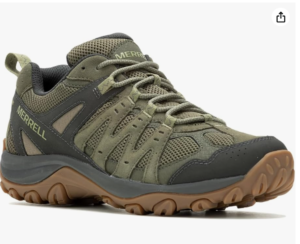
When it comes to finding the best shoes for climbing mountains, the Merrell Men’s Accentor 3 Hiking Shoe delivers a combination of comfort, durability, and trail-ready performance. Designed for hikers who need reliable footwear for challenging terrain, this hiking shoe offers the support and protection necessary for both mountain adventures and everyday outdoor exploration.
The shoe features a durable suede leather and breathable mesh upper that balances toughness with ventilation. The suede leather adds structure and resilience, helping the shoe withstand rugged trails, while the mesh panels encourage airflow to keep feet cooler and more comfortable during long hikes. This combination makes the Accentor 3 a practical choice for mountain climbers who encounter varying trail conditions.
Comfort is further enhanced through the removable EVA foam footbed, which is made with 50 percent recycled materials. The cushioned footbed provides reliable underfoot support and helps reduce discomfort during extended periods of walking and climbing. Since the footbed is removable, users can easily replace it with custom orthotics if additional support is needed.
The shoe also incorporates several protective features that are particularly valuable on mountain trails. The bellows tongue helps prevent dirt, small rocks, sand, and trail debris from entering the shoe, allowing hikers to stay focused on the journey rather than stopping frequently to clear out unwanted materials. A protective rubber toe cap adds another layer of defense by helping shield the toes from impacts with rocks, roots, and other trail obstacles.
Sustainability is an additional benefit of the Accentor 3. The hiking shoe utilizes 100 percent recycled laces and webbing, making it an appealing option for environmentally conscious hikers who want reliable outdoor footwear while supporting more sustainable manufacturing practices.
Whether tackling steep mountain paths, forest trails, or everyday outdoor adventures, the Merrell Accentor 3 offers a dependable combination of comfort, protection, and durability. Its lightweight feel and trail-focused design make it suitable for hikers seeking versatility without the bulk of a traditional hiking boot.
Pros
- Durable suede leather construction provides lasting performance
- Breathable mesh upper promotes airflow and comfort
- Bellows tongue helps keep out dirt and trail debris
- Protective rubber toe cap offers additional foot protection
- Cushioned EVA foam footbed enhances comfort during long hikes
- Removable insole accommodates custom orthotics
- Recycled laces and webbing support sustainability efforts
- Suitable for mountain climbing and general hiking activities
Cons
- Toe protection is effective but not as robust as heavy duty mountaineering footwear
Advantages of Using Best Shoes for Climbing Mountain
1. Improved stability on rough terrain
One of the main advantages of using proper mountain climbing shoes is the stability they provide on uneven and unpredictable terrain. Mountain paths often include rocks, loose soil, and steep slopes, which can easily cause slips or imbalance. A well designed shoe helps maintain firm contact with the ground, allowing you to move more confidently and safely across challenging surfaces.
2. Reduced foot fatigue during long climbs
Climbing mountains usually involves long hours of walking and elevation gain, which can quickly tire the feet. Proper hiking shoes are designed with cushioning systems that absorb impact and reduce pressure on the soles. This helps minimize fatigue, allowing you to walk longer distances with less discomfort and maintain energy throughout the climb.
3. Protection from environmental elements
Mountain environments expose hikers to rain, mud, dust, cold air, and sharp objects. Quality footwear helps protect the feet from these elements through waterproof layers, reinforced toe protection, and closed designs that block debris. This protection keeps the feet safer and more comfortable in changing weather and trail conditions.
4. Better grip and slip prevention
Slipping is one of the most common risks during mountain climbing. Proper shoes come with specialized outsoles designed to grip different surfaces such as wet rocks, gravel, and muddy trails. This improved traction reduces the likelihood of accidents and helps climbers maintain control during both ascents and descents.
5. Enhanced comfort for long durations
Comfort is essential when spending extended time on the trail. Mountain climbing shoes are built with breathable materials, cushioned insoles, and supportive structures that help keep feet comfortable throughout the journey. This reduces irritation, pressure points, and soreness, making the overall experience more enjoyable.
6. Injury prevention and foot support
Good mountain shoes help protect against common injuries such as sprains, blisters, and bruises. Features like ankle support, shock absorption, and reinforced construction help stabilize the foot and reduce strain on joints. This support is especially important when navigating steep or unstable terrain.
7. Temperature and moisture control
Proper footwear helps regulate internal shoe conditions by balancing breathability and protection. This allows sweat to escape while preventing excessive moisture from entering. Maintaining a dry and well ventilated environment inside the shoe reduces the risk of blisters, fungal infections, and discomfort caused by overheating or dampness.
8. Improved hiking efficiency and performance
Wearing suitable mountain shoes improves overall hiking efficiency by reducing energy loss and supporting natural movement. Lightweight designs combined with responsive cushioning allow hikers to move more freely and conserve energy. This leads to better endurance and improved performance during long and demanding climb
Best Shoes for Climbing Mountains FAQs
1. What features should I look for in shoes for climbing mountains?
The most important features to consider are traction, comfort, durability, and foot protection. A quality mountain climbing shoe should have a grippy outsole for stability on rocky and uneven terrain, adequate cushioning to reduce fatigue, and durable materials that can withstand harsh outdoor conditions. Additional features such as waterproof protection, reinforced toe caps, and breathable linings can further improve performance and comfort during long hikes.
2. Are hiking shoes better than hiking boots for mountain climbing?
It depends on the type of mountain and the conditions you expect to encounter. Hiking shoes are generally lighter and more flexible, making them suitable for well-maintained trails and day hikes. Hiking boots provide greater ankle support, enhanced protection, and better durability, which can be beneficial when carrying heavy loads or navigating rough, uneven terrain. Choosing between the two comes down to your hiking style and the level of support you need.
3. Do I need waterproof shoes for climbing mountains?
Waterproof shoes can be very useful if you frequently hike in wet conditions, cross streams, or encounter rain and muddy trails. They help keep your feet dry and comfortable throughout the hike. However, waterproof footwear may offer slightly less breathability than non-waterproof alternatives. If you primarily hike in dry and hot environments, a breathable hiking shoe may be a better option.
Conclusion
Choosing the best shoes for climbing mountains can make a significant difference in your comfort, safety, and overall hiking experience. The shoes featured in this guide excel because they combine the qualities that mountain climbers need most, including reliable traction, durable construction, supportive cushioning, and protective features that help handle challenging terrain. Whether you prefer a lightweight hiking shoe for agility or a more rugged boot for added protection, each option offers benefits designed to improve stability and reduce fatigue on long climbs. By selecting a pair that matches your hiking style, terrain, and weather conditions, you can enjoy greater confidence on the trail and focus on reaching your destination. Investing in quality mountain climbing footwear is one of the smartest decisions any outdoor enthusiast can make.