
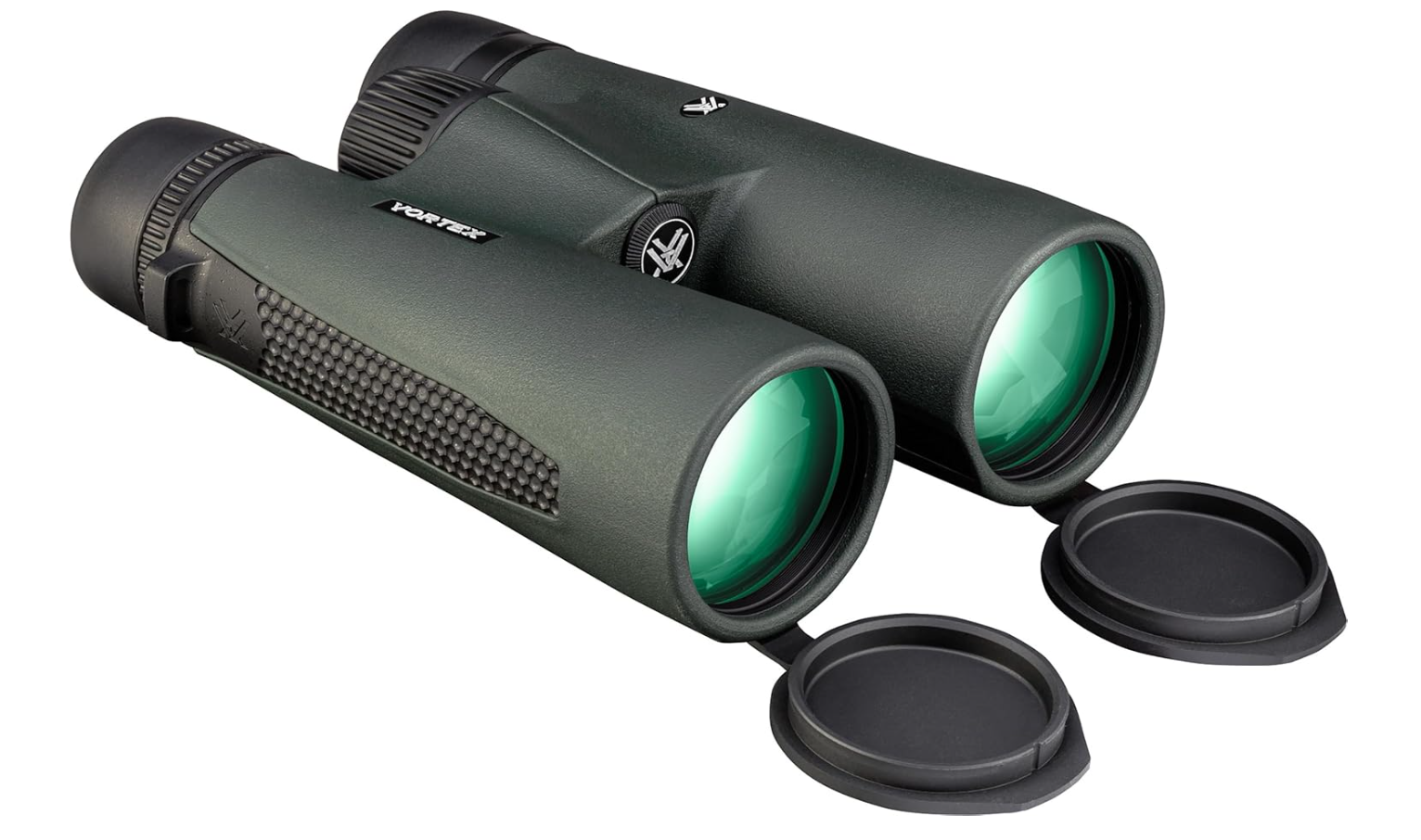
1.Vortex Triumph HD 12×50 binoculars
 The Vortex Triumph HD 12×50 binoculars are designed for users who want a strong balance of clarity, durability, and comfort in the field. With 12x magnification and large 50mm objective lenses, they deliver a detailed and bright view that is especially useful when observing wildlife at medium to long distances.
For wildlife photography enthusiasts, this level of magnification helps in scouting subjects before capturing images, making it easier to track movement and identify fine details in natural settings.
Optically, these binoculars are built around an HD system with fully multi coated lenses. This combination enhances resolution and improves overall image clarity while reducing chromatic aberration. The result is sharp, true to life colors with good edge to edge performance and strong light transmission.
This makes them reliable in varying lighting conditions, including early morning or late evening wildlife activity when visibility can be more challenging.
Durability is another strong point of the Triumph HD. The body is nitrogen purged, making it both waterproof and fog proof, which is important for outdoor use in unpredictable weather. The polycarbonate chassis reinforced with full rubber armor improves shock resistance while also giving a secure grip, even in wet or dusty environments.
This rugged design ensures the binoculars can handle demanding field conditions without compromising performance.
Comfort and usability have also been carefully considered. The binoculars are tripod adaptable, which is helpful for extended viewing sessions, especially when observing stationary wildlife subjects. Adjustable rubber eyecups and a diopter control allow users to fine tune the viewing experience for individual comfort and eye alignment.
The included neck strap and adjustable GlassPak harness make carrying and quick access easy during outdoor movement, which is useful when tracking wildlife.
The Vortex Triumph HD also comes with a lifetime VIP warranty that covers repair or replacement if the product becomes damaged or defective. This adds long term confidence for users who spend a lot of time outdoors and need dependable equipment support.
Pros
• Clear and sharp HD optical performance with accurate color reproduction
• Fully multi coated lenses improve brightness and reduce glare
• Waterproof, fog proof, and shock resistant construction for outdoor reliability
• Comfortable handling with adjustable eyecups and diopter settings
• Tripod compatibility for stable long duration viewing
• Lightweight and easy carry system with harness included
• Strong lifetime warranty support
Cons
• Not the most compact option for minimal carry setups
2.Rodcirant 18×50 Professional Large View Binoculars
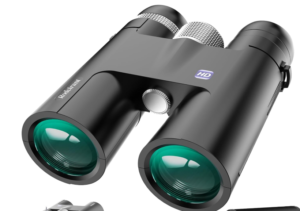
The Rodcirant 18×50 Professional Large View Binoculars are a practical choice for wildlife photography enthusiasts who need powerful magnification, bright image quality, and portability. Featuring 18x magnification and 50mm objective lenses, these binoculars allow users to observe distant wildlife with impressive detail.
The large 19mm eyepieces enhance the viewing experience by producing a larger image and a wide field of view of 399 feet at 1000 yards, making it easier to follow moving animals and birds in their natural habitat.
Image quality is one of the strongest aspects of these binoculars. They use BAK4 prism lenses combined with fully multi coated optics and phase coated prisms to maximize light transmission.
This optical system delivers bright, clear, and vivid images with excellent contrast and color accuracy. Even in low light conditions such as dawn, dusk, or shaded woodland areas, the binoculars maintain impressive brightness and clarity, helping wildlife photographers spot subjects when activity is often at its peak.
Built for outdoor adventures, the Rodcirant 18×50 binoculars feature an IPX7 waterproof and fogproof design. The rubber armored polycarbonate housing protects the binoculars from impacts and harsh weather conditions while providing a secure and comfortable grip.
The fog resistant construction helps prevent internal lens fogging, ensuring reliable performance during temperature changes and humid environments.
For users interested in capturing what they see, these binoculars include an upgraded phone adapter and a stable 360 degree rotatable tripod. This setup allows smartphones to be securely attached for photography and video recording, making it easier to document wildlife sightings.
The tripod helps reduce vibration and provides a steadier image, especially when using the high 18x magnification.
Despite the powerful optics, the binoculars remain lightweight at only 1.1 pounds. Their portable design makes them easy to carry on long hikes, nature walks, and wildlife expeditions.
The focus system is simple to adjust and works comfortably for both eyeglass wearers and non eyeglass users, making the binoculars accessible to a wide range of outdoor enthusiasts.
Pros
• Powerful 18x magnification for detailed long distance viewing
• Large 19mm eyepieces provide a bigger and more immersive image
• Fully multi coated lenses and BAK4 prisms deliver bright, sharp visuals
• Performs well in low light conditions
• IPX7 waterproof and fogproof construction for outdoor reliability
• Includes phone adapter and 360 degree tripod for photography and video capture
• Lightweight and easy to carry during extended outdoor activities
• Suitable for both beginners and experienced users
Cons
• Narrower viewing comfort compared to lower magnification binoculars during extended use
3.Adorrgon 12×42 HD Binoculars
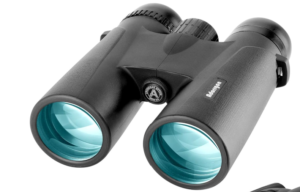
The Adorrgon 12×42 HD Binoculars are an excellent option for wildlife photography enthusiasts who want a combination of powerful magnification, portability, and smartphone compatibility. With 12x magnification and 42mm objective lenses,
These binoculars provide a generous field of view of 367 feet at 1,000 yards, making it easier to locate and observe wildlife across open landscapes. They are capable of revealing fine details from significant distances, helping photographers identify subjects before setting up a shot.
Image quality is impressive thanks to the advanced fully multi coated optical system and large 16.5mm BAK4 prism lenses. These features work together to improve light transmission, resulting in brighter and clearer images. Whether observing animals during the early morning hours or at dusk, the binoculars perform well in low light conditions, allowing users to enjoy detailed views when wildlife activity is often most active.
The large 18.5mm eyepieces further enhance the viewing experience by producing a larger and brighter image than many compact binoculars. This design allows users to take full advantage of the 12x magnification while maintaining image clarity and sharpness.
Fine details such as feathers, fur patterns, and distant movement are easier to distinguish, making these binoculars well suited for wildlife observation and photography.
One of the most appealing features for wildlife photographers is the included upgraded universal phone adapter. The sturdy design and anti slip rubber grips keep smartphones securely in place, allowing users to capture photos and videos directly through the binoculars. Compatibility with a wide range of smartphones makes the setup convenient for most users.
The included 360 degree rotatable tabletop tripod adds stability and reduces image shake, helping users capture clearer and more detailed images of wildlife.
Despite their powerful optics, the Adorrgon 12×42 binoculars remain lightweight at just 1.1 pounds. This makes them comfortable to carry during long hikes, birdwatching trips, and outdoor adventures.
Their combination of portability, optical performance, and photography friendly accessories makes them a practical choice for anyone interested in wildlife photography.
Pros
• Powerful 12x magnification for detailed wildlife observation
• Wide field of view helps track moving animals and birds
• Fully multi coated optics and BAK4 prisms provide bright, clear images
• Good low light performance for dawn and dusk viewing
• Large 18.5mm eyepieces produce a larger and brighter image
• Includes a universal smartphone adapter for easy photography
• Stable 360 degree rotatable tripod included
• Lightweight design suitable for extended outdoor use
• Compatible with a wide range of smartphone models
Cons
• Tabletop tripod may not provide the height some users prefer in the field
4.Nikon PROSTAFF P3 8×42 Binocular
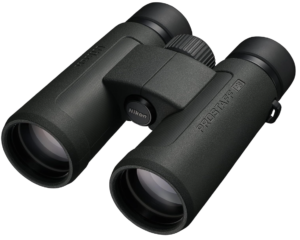
The Nikon PROSTAFF P3 8×42 Binocular is an excellent choice for wildlife photography enthusiasts who value image quality, comfort, and ease of use. With its 8x magnification and 42mm objective lenses, it offers a balanced viewing experience that makes locating and tracking wildlife easier while maintaining a bright and stable image.
This combination is particularly useful for observing birds, mammals, and other moving subjects in their natural environments.
One of the strongest qualities of the PROSTAFF P3 is its impressive optical clarity. The 42mm objective lenses gather plenty of light, producing bright and clear images even during early morning or late evening wildlife excursions.
This enhanced brightness helps reveal fine details and natural colors, allowing photographers and nature observers to identify subjects more accurately before capturing a shot.
The binoculars also feature a wide 7.2 degree field of view, providing an expansive viewing area of 377 feet at 1,000 yards. This wide perspective makes it easier to scan landscapes, spot wildlife, and follow moving animals without constantly adjusting your position.
For wildlife photography, this can be especially valuable when tracking birds in flight or animals moving through dense vegetation.
The 8x magnification strikes a practical balance between detail and image stability. Unlike higher powered binoculars that can be more difficult to hold steady, the PROSTAFF P3 offers a comfortable viewing experience while still bringing distant subjects closer with impressive clarity. This makes it suitable for long observation sessions where maintaining a stable image is important.
Built for outdoor use, the binoculars feature waterproof and fogproof construction, ensuring dependable performance in changing weather conditions. Whether exploring forests, wetlands, mountains, or open grasslands, users can rely on consistent performance even in damp or humid environments.
The rugged design adds confidence when carrying the binoculars on outdoor adventures.
Comfort is another area where the PROSTAFF P3 performs well. The generous 20.2mm eye relief accommodates both eyeglass wearers and non eyeglass users, reducing eye strain during extended observation sessions.
Combined with its lightweight 20.3 ounce design and ergonomic shape, the binoculars remain comfortable to carry and use throughout a full day in the field.
Pros
• Bright and clear image quality with 42mm objective lenses
• Wide field of view makes it easy to locate and track wildlife
• Stable and easy to use 8x magnification
• Performs well in low light conditions
• Waterproof and fogproof construction for outdoor reliability
• Long eye relief provides comfortable viewing for eyeglass wearers
• Lightweight and ergonomic design for extended use
• Suitable for birdwatching, wildlife observation, and nature photography
Cons
• 8x magnification may not provide as much reach as higher powered binoculars
5.Vortex Triumph HD 12×50 Binoculars
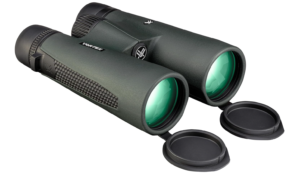 The Vortex Triumph HD 12×50 Binoculars are a strong choice for wildlife photography enthusiasts seeking powerful magnification, bright image quality, and rugged outdoor performance. With 12x magnification and large 50mm objective lenses, these binoculars bring distant wildlife into sharp focus while gathering plenty of light for bright and detailed viewing.
Whether you are observing birds across open fields or tracking animals in wooded environments, they provide the reach needed to spot subjects before capturing photographs.